

Emergency Funds: How Much Should You Really Save?
Financial stability often depends on preparation for unexpected events. Sudden expenses can arise at any time. Medical bills, urgent home repairs, or temporary job loss may place pressure on personal finances. Without savings set aside for emergencies, individuals may rely on credit cards or loans to manage these situations. An emergency fund acts as a financial safety net. It provides accessible money that can cover necessary expenses during difficult periods. This type of savings is separate from daily spending accounts or long-term investment funds. Many people understand the importance of emergency savings but remain unsure about how much money they should set aside. The answer often depends on personal circumstances such as income stability, living expenses, and financial responsibilities.
Understanding the Purpose of an Emergency Fund
An emergency fund is designed to cover essential expenses during financial disruptions. It is not meant for planned purchases such as vacations, electronics, or entertainment. Instead, the money should remain available for situations that require immediate attention. Common examples include unexpected medical costs, urgent vehicle repairs, or temporary unemployment. These events can occur without warning and may disrupt normal income or spending patterns. Having accessible savings allows individuals to address these issues without borrowing money. This reduces the risk of accumulating debt during stressful situations.
Estimating Essential Monthly Expenses
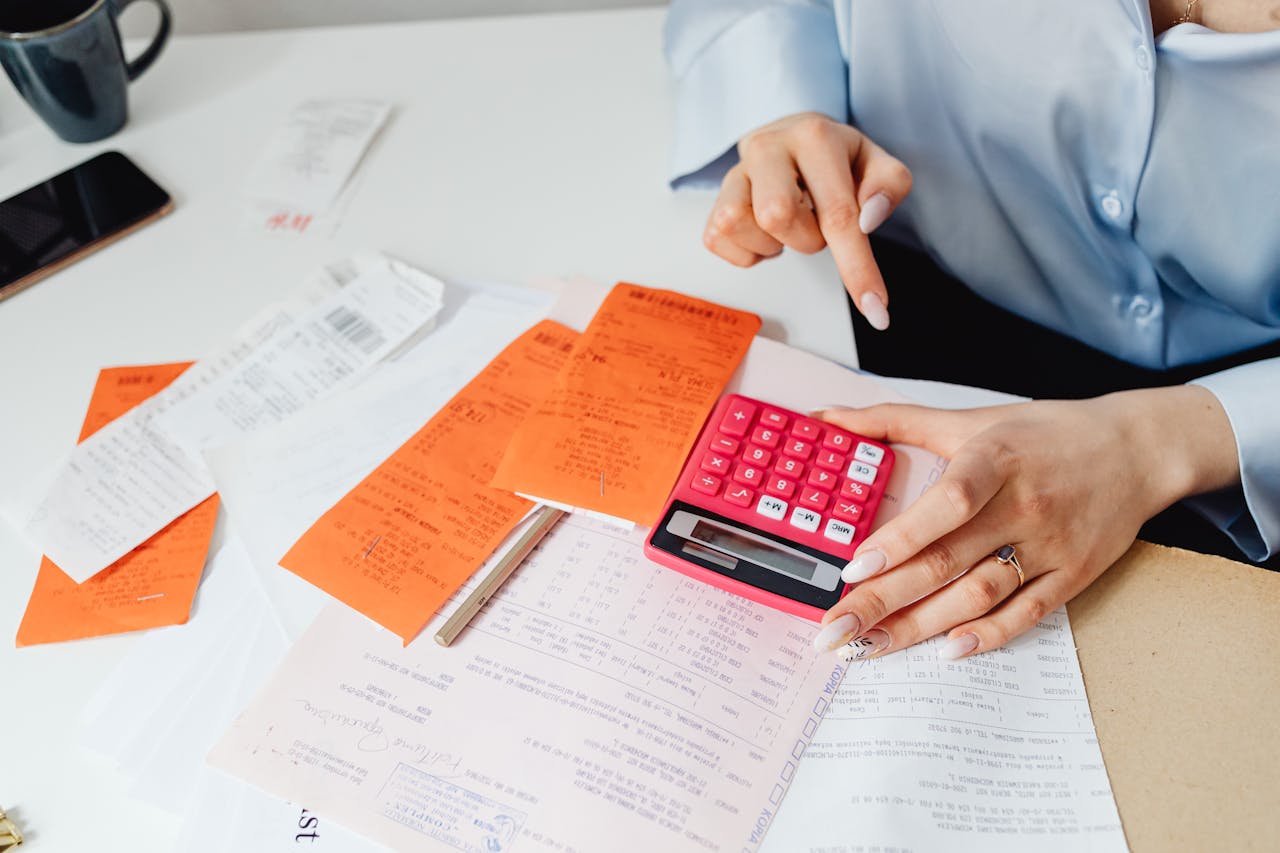
Determining the size of an emergency fund begins with understanding monthly living expenses. Essential expenses are the costs necessary for maintaining daily life. These typically include housing payments, utilities, groceries, transportation, insurance, and basic healthcare costs. Discretionary spending, such as dining out or entertainment, is usually excluded from this calculation. Accurately estimating these expenses helps individuals understand the minimum amount needed to maintain stability during financial disruption.
Maintaining and Using the Fund Responsibly
Once an emergency fund is established, maintaining it becomes an important responsibility. The money should remain accessible but separate from everyday spending accounts. This separation helps reduce the temptation to use the funds for nonessential purchases. Clear boundaries preserve the purpose of the emergency savings. When an actual emergency occurs, the fund can provide immediate financial relief. After the situation is resolved, individuals should begin rebuilding their savings to restore their financial safety net. Regular financial reviews help maintain awareness of savings progress. As income and expenses change, individuals may adjust their emergency fund targets accordingly.
Building an Emergency Fund Gradually

Saving several months of expenses may appear challenging at first. However, emergency funds often grow gradually through consistent contributions. Small but regular deposits can accumulate over time. Setting aside a portion of each paycheck helps create steady progress toward savings goals. Automated transfers can simplify this process. When money moves automatically into a savings account, individuals may find it easier to maintain consistent habits.
The Common Savings Recommendation
This guideline provides a buffer that allows individuals to manage temporary income interruptions. For people with stable employment and predictable income, three months of expenses may provide adequate protection. Those with less predictable income or freelance work may benefit from a larger financial cushion. The six-month range offers additional security for households with multiple financial responsibilities. Families with dependents, mortgages, or higher living costs may prefer this extended coverage. This recommendation is a general guideline rather than a strict rule. Personal financial circumstances may require adjustments to these targets.
Factors That Influence Emergency Fund Size

Several factors influence how much emergency savings a person may need. Employment stability is one of the most important considerations. Individuals with steady salaries and long-term job security may require smaller emergency reserves. In contrast, people who rely on freelance work or seasonal employment may benefit from larger savings buffers. Income variability can create unpredictable financial conditions. Household responsibilities also play a role. Families supporting children or elderly relatives often face additional financial obligations that increase the need for financial protection. Health conditions may also influence savings goals. Individuals with ongoing medical needs may prefer to maintain larger emergency funds.
Emergency funds play an important role in protecting financial stability. Unexpected expenses can occur without warning, and having accessible savings helps individuals manage these situations without accumulating debt. The commonly recommended target of three to six months of essential expenses provides a practical starting point. However, personal circumstances such as employment stability, family responsibilities, and income patterns may influence the ideal savings amount. Building an emergency fund takes time, but consistent saving habits make the goal achievable. Even small contributions can accumulate into meaningful financial protection.…