
Why Men’s Rings Often Reflect Regional Jewellery Traditions
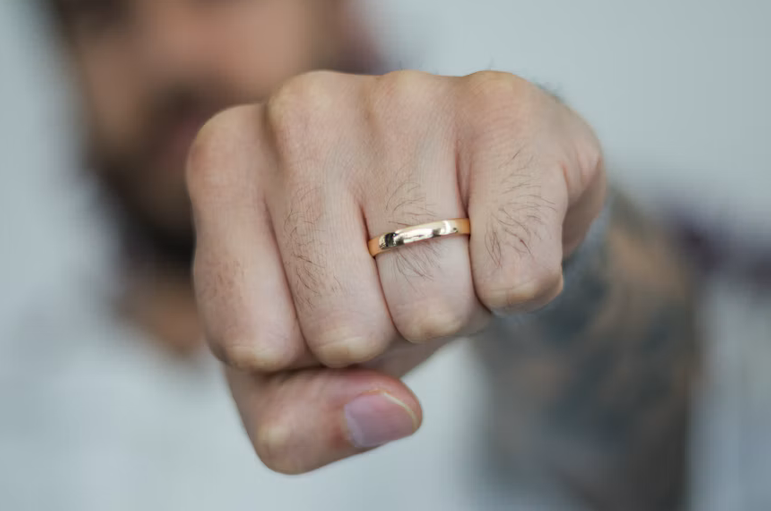
Men’s rings often carry cultural influences that extend beyond personal style, reflecting the materials, symbols, and craftsmanship associated with different regions. In some traditions, rings represent family heritage, social status, or marital commitment, while others emphasize distinctive patterns and locally preferred metals. Black Friday Holiday Sale on all kinds of Men’s Wedding Bands offers an opportunity to explore how contemporary retail makes a wider range of designs accessible, including styles influenced by traditional jewellery. Despite changing fashion preferences, regional craftsmanship continues to shape the appearance and meaning of men’s rings. These influences help explain why certain designs remain closely connected to the cultures and communities from which they originated.
Why Materials Differ Across Traditions
The materials used in men’s rings have historically depended on regional resources, trade networks, and local manufacturing capabilities. Gold became particularly prominent in societies with established goldsmithing traditions, while silver developed a strong presence in regions where its availability and working properties supported detailed craftsmanship. Other traditions incorporated materials such as copper, bronze, carved stone, and locally sourced decorative elements. These choices were not always based on appearance alone. Material selection could communicate wealth, social standing, religious significance, or connections to particular communities. As international trade expanded, jewellery makers gained access to materials from distant regions, but local preferences continued to shape how they incorporated those materials into familiar ring designs.
How Traditional Patterns Communicate Cultural Identity
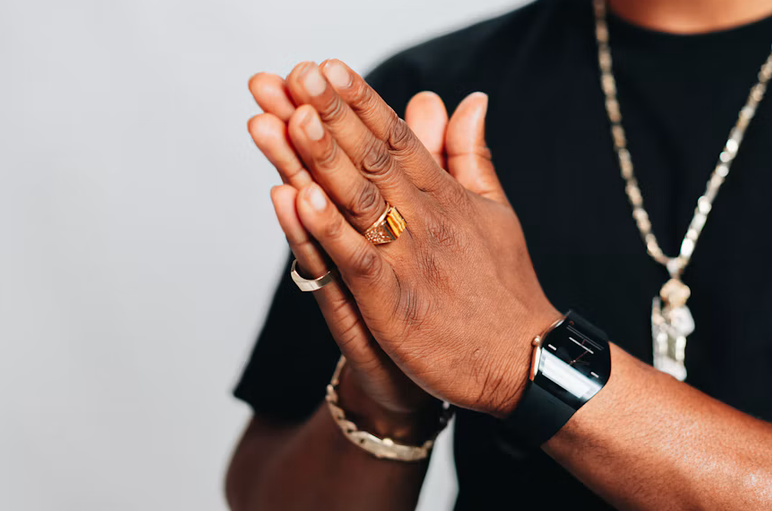
Decorative patterns are among the most recognizable ways regional jewellery traditions influence men’s rings. Engraving, geometric arrangements, symbolic markings, and repeated ornamental motifs can connect a design to a particular artistic heritage. Some patterns originate from architectural decoration, textile production, religious symbolism, or traditional metalworking techniques. Their presence on rings brings established visual traditions into smaller, personal objects. In certain communities, specific motifs carry meanings associated with protection, family connections, or spiritual beliefs. In other settings, they primarily demonstrate the technical abilities of local craftspeople.
The Role of Rings in Regional Customs and Ceremonies
Men’s rings can also reflect regional customs surrounding marriage, inheritance, religious participation, and important life events. Wedding rings, for example, differ in appearance and symbolism across societies. Some traditions favor simple metal bands, while others incorporate distinctive engravings, gemstones, or ceremonial designs. Signet rings have historically served as personal identifiers and symbols of family or institutional affiliation in various parts of the world. Their appearance and significance have changed as social structures have evolved. Modern jewellery may retain elements of these customs even when the original social functions are no longer common. This connection between traditional practices and contemporary design helps explain why certain ring styles remain culturally recognizable across generations.
Men’s rings often reflect regional traditions through their materials, decorative patterns, craftsmanship, and ceremonial meanings. These influences connect contemporary jewellery with the history and cultural identity of the communities that shaped its development.…